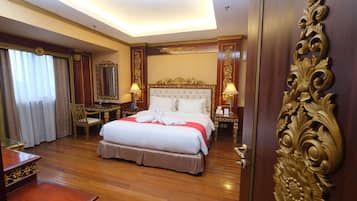
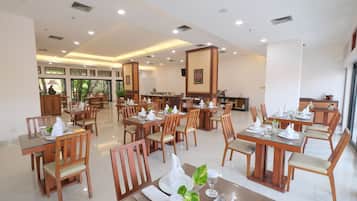
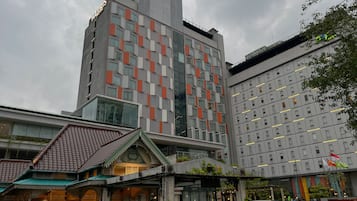
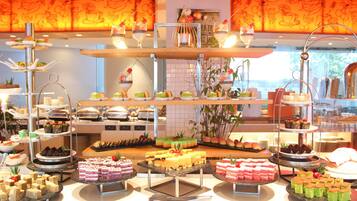
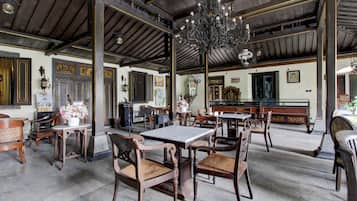
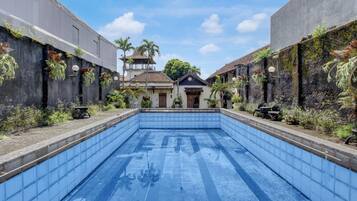
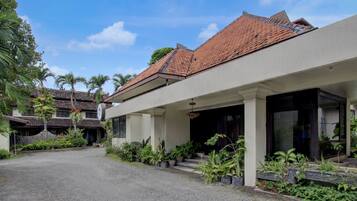
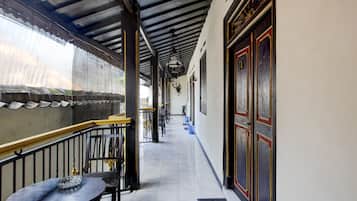
Foto oleh Sharrie Shaw
Hotel murah di Surakarta
- Ubah fikiran andaTempah hotel dengan pembatalan percuma
- Jadi cerewetCari hampir sejuta hartanah di seluruh dunia
Jangkau melebihi penginapan biasa anda di Surakarta
Mesra keluarga
Semak harga untuk tarikh ini
Malam ini
Esok
Hujung minggu depan
Dua minggu kemudian
Pilihan teratas kami untuk hotel di Surakarta

9.0 daripada 10, Hebat, (9)

9.0 daripada 10, Hebat, (6)
Harga ialah RM221
RM267 jumlah
termasuk cukai & fi
4 Jan - 5 Jan

10.0 daripada 10, Luar Biasa, (1)
Harga ialah RM28
RM35 jumlah
termasuk cukai & fi
7 Jan - 8 Jan
Harga ialah RM145
RM176 jumlah
termasuk cukai & fi
18 Jan - 19 Jan
Harga ialah RM241
RM291 jumlah
termasuk cukai & fi
4 Jan - 5 Jan

8.2 daripada 10, Sangat Baik, (102)
Harga ialah RM102
RM124 jumlah
termasuk cukai & fi
17 Jan - 18 Jan
Harga semalam terendah yang ditemui dalam masa 24 jam lalu berdasarkan penginapan 1 malam untuk 2 orang dewasa. Harga dan ketersediaan adalah tertakluk pada perubahan. Terma tambahan mungkin dikenakan.
Tawaran hotel hujung minggu yang hebat di Surakarta
Menunjukkan tawaran untuk:9 Jan - 11 Jan
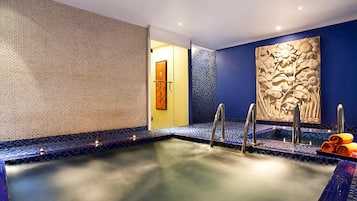
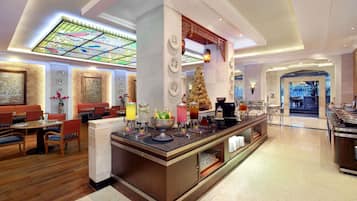
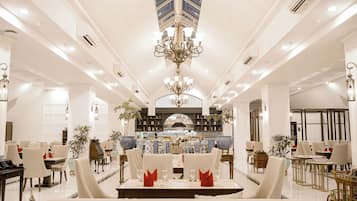
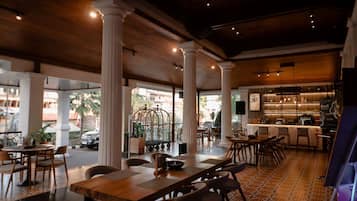
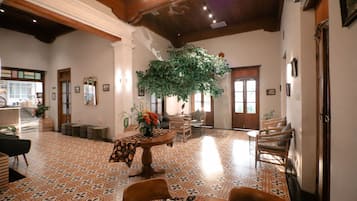
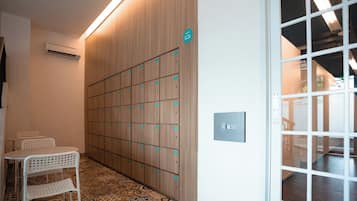
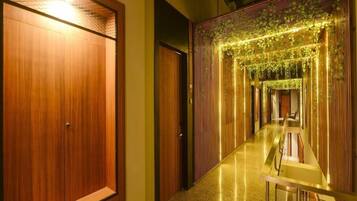
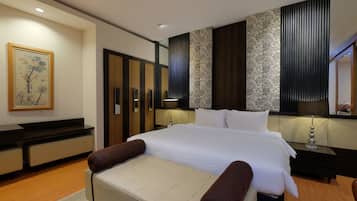
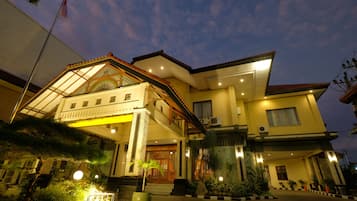
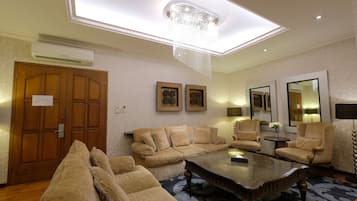
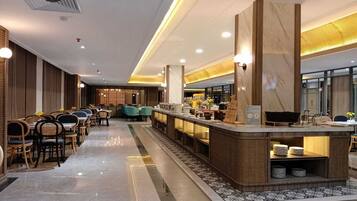
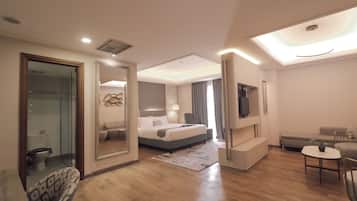
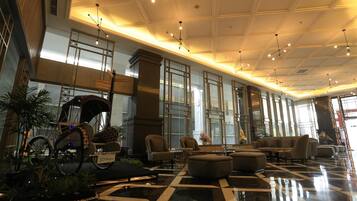
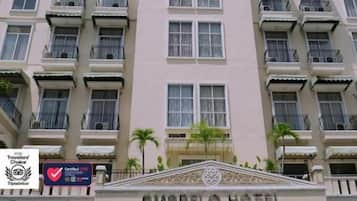
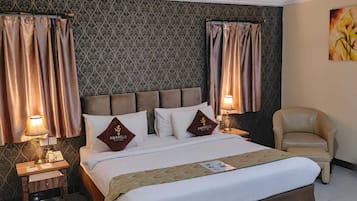
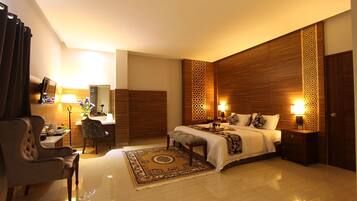
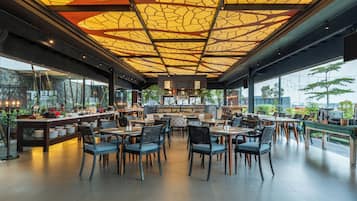
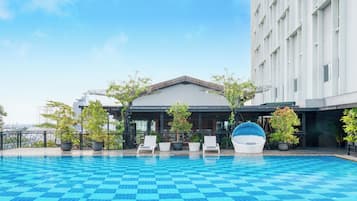
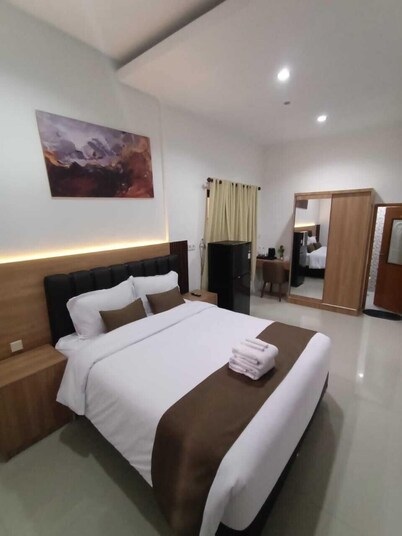
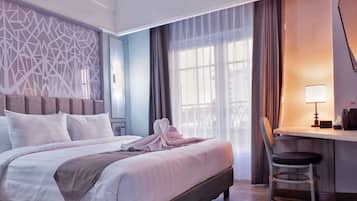
Galeri imej untuk Rumah Batu Boutique Hotel

Rumah Batu Boutique Hotel
Baki
9.0/10Hebat (9 ulasan)
Diskaun 10%
Harga adalah RM244
RM590 jumlah
termasuk cukai & fi
Jimat purata sebanyak 15% pada beribu-ribu hotel apabila anda log masuk
Tempat penginapan di Surakarta
Cari kawasan dan kawasan sekitar Surakarta terbaik untuk aktiviti yang paling anda nikmati. Ketahui lebih lanjut tentang Surakarta
Ketahui lebih lanjut tentang Surakarta
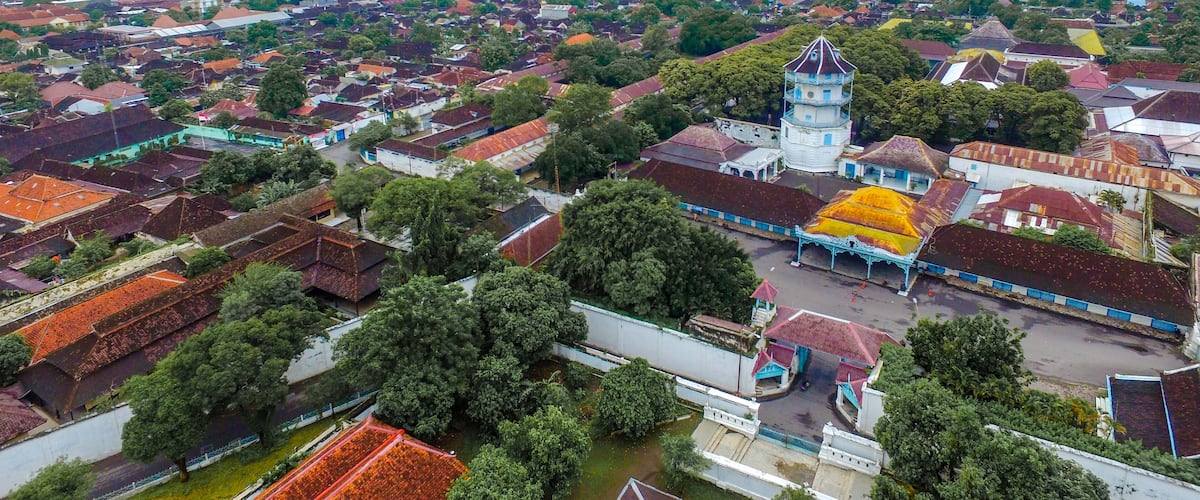
Pusat Bandar Solo
Anda akan menikmati muzium dan zoo di Pusat Bandar Solo. Anda mungkin ingin meluangkan masa untuk singgah ke Pusat Membeli-belah Solo Paragon Lifestyle atau Taman Keprabon.
Banjarsari
Jika anda meluangkan masa di Banjarsari, Pusat Membeli-belah Solo Paragon Lifestyle dan Taman Bandar Raya Balekambang merupakan tarikan yang disarankan untuk dilihat.
Menginap berhampiran tarikan Surakarta popular
Ulasan Hotel Surakarta Popular
Penginapan murah di Surakarta

Hotel Tirtonadi Permai
6 Jl. Tagore Surakarta Jawa Tengah
Harga adalah RM50 semalam dari 23 Jan hingga 24 Jan
RM50
RM60 jumlah
23 Jan - 24 Jan
termasuk cukai & fi
![At the museum no photos are allowed which is really unfortunate as it was well worth the visit and the guided tour is definitely not to be missed. In the museum there are even Batik made from the Dutch era which depicts stories like Little Red Riding Hood and Snow White!
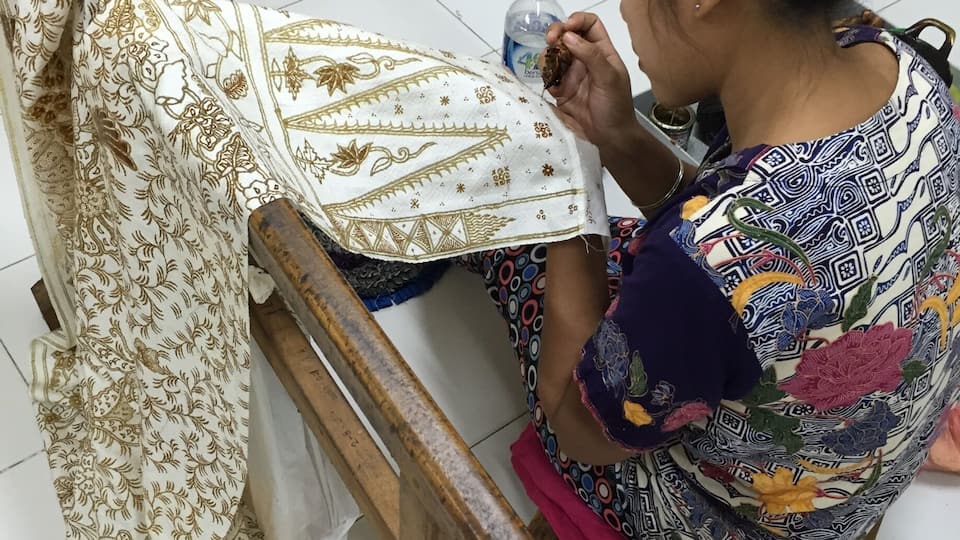
I enjoyed the tour v much and at the end of the tour we were brought to this room where the artisan were working on hand drawn batik.
Below is an excerpt from Wikipedia for anyone interested in learning more about the process of batik making.
Firstly, a cloth is washed, soaked and beaten with a large mallet. Patterns are drawn with pencil and later redrawn using hot wax, usually made from a mixture of paraffin or bees wax, sometimes mixed with plant resins, which functions as a dye-resist. The wax can be applied with a variety of tools. A pen-like instrument called a canting (IPA: [tʃantiŋ], sometimes spelled with old Dutch orthography tjanting) is the most common. A canting is made from a small copper reservoir with a spout on a wooden handle. The reservoir holds the resist which flows through the spout, creating dots and lines as it moves. For larger patterns, a stiff brush may be used. Alternatively, a copper block stamp called a cap (IPA: [tʃap]; old spelling tjap) is used to cover large areas more efficiently.
After the cloth is dry, the resist is removed by scraping or boiling the cloth. The areas treated with resist keep their original color; when the resist is removed the contrast between the dyed and undyed areas forms the pattern. This process is repeated as many times as the number of colors desired.
The most traditional type of batik, called batik tulis (written batik), is drawn using only the canting. The cloth need to be drawn on both sides and dipped in a dye bath three to four times. The whole process may take up to a year; it yields considerably finer patterns than stamped batik.
Source: Wikipedia](https://images.trvl-media.com/place/6224808/26fd1460-c65a-4c1a-9444-7a893e883ac9.jpg?impolicy=fcrop&w=1200&h=500&q=medium)


![At the museum no photos are allowed which is really unfortunate as it was well worth the visit and the guided tour is definitely not to be missed. In the museum there are even Batik made from the Dutch era which depicts stories like Little Red Riding Hood and Snow White!
I enjoyed the tour v much and at the end of the tour we were brought to this room where the artisan were working on hand drawn batik.
Below is an excerpt from Wikipedia for anyone interested in learning more about the process of batik making.
Firstly, a cloth is washed, soaked and beaten with a large mallet. Patterns are drawn with pencil and later redrawn using hot wax, usually made from a mixture of paraffin or bees wax, sometimes mixed with plant resins, which functions as a dye-resist. The wax can be applied with a variety of tools. A pen-like instrument called a canting (IPA: [tʃantiŋ], sometimes spelled with old Dutch orthography tjanting) is the most common. A canting is made from a small copper reservoir with a spout on a wooden handle. The reservoir holds the resist which flows through the spout, creating dots and lines as it moves. For larger patterns, a stiff brush may be used. Alternatively, a copper block stamp called a cap (IPA: [tʃap]; old spelling tjap) is used to cover large areas more efficiently.
After the cloth is dry, the resist is removed by scraping or boiling the cloth. The areas treated with resist keep their original color; when the resist is removed the contrast between the dyed and undyed areas forms the pattern. This process is repeated as many times as the number of colors desired.
The most traditional type of batik, called batik tulis (written batik), is drawn using only the canting. The cloth need to be drawn on both sides and dipped in a dye bath three to four times. The whole process may take up to a year; it yields considerably finer patterns than stamped batik.
Source: Wikipedia](https://images.trvl-media.com/place/6224808/26fd1460-c65a-4c1a-9444-7a893e883ac9.jpg?impolicy=fcrop&w=300&h=400&p=1&q=high)