
Nikiski hotels from RM344
 Change your mindBook hotels with free cancellation
 Be pickySearch almost a million properties worldwide
Go beyond your typical stay in Nikiski
Pet friendly
Apartment
Condo
Family friendly
Cottage
Waterpark
Check prices for these dates
Tonight
13 Aug - 14 AugTomorrow
14 Aug - 15 AugThis weekend
14 Aug - 16 AugNext weekend
21 Aug - 23 AugOur top choices for Nikiski hotels
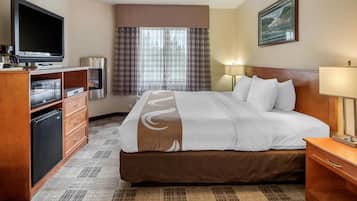

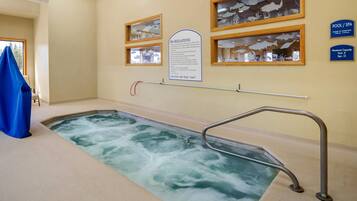

1. Quality Inn Kenai
Quality Inn KenaiKenai

Jill
RM667
RM707 total
includes taxes & fees
6 Sept - 7 Sept
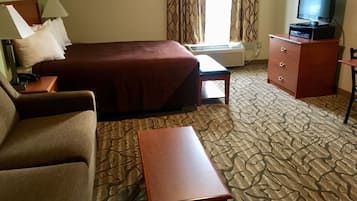


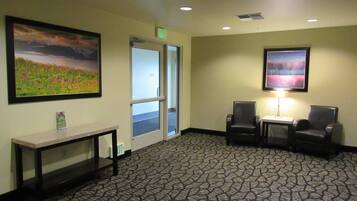
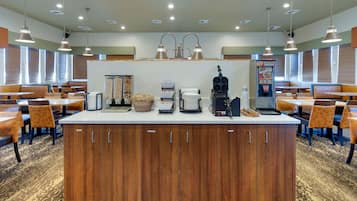
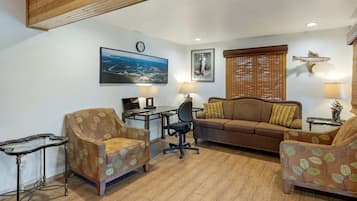
2. Aspen Extended Stay Suites Kenai
Aspen Extended Stay Suites KenaiKenai
Lori
RM659
RM698 total
includes taxes & fees
6 Sept - 7 Sept
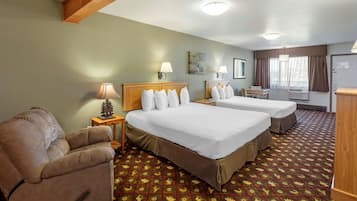

3. Best Western King Salmon Inn
Best Western King Salmon InnSoldotna
Ted
RM805
RM886 total
includes taxes & fees
16 Aug - 17 Aug

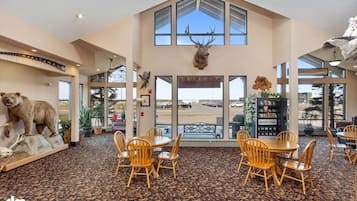

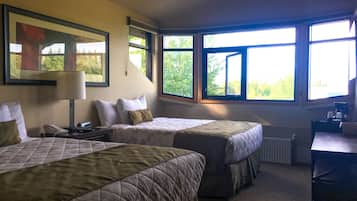
4. Kenai Airport Hotel
Kenai Airport HotelKenai
Stephen
RM474
RM503 total
includes taxes & fees
6 Sept - 7 Sept



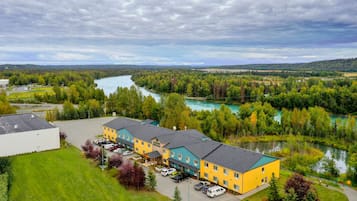
5. Aspen Hotel Soldotna
Aspen Hotel SoldotnaSoldotna
Brian
RM695
RM764 total
includes taxes & fees
17 Aug - 18 Aug
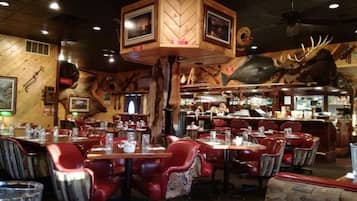

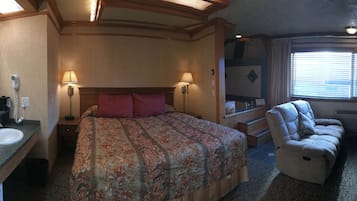
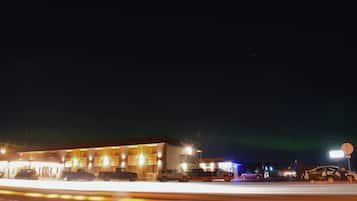
6. Uptown Motel Kenai
Uptown Motel KenaiKenai
Renee
RM731
RM775 total
includes taxes & fees
1 Sept - 2 Sept

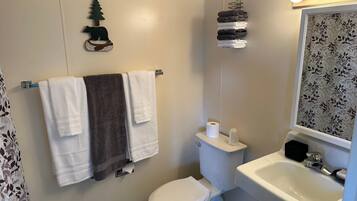
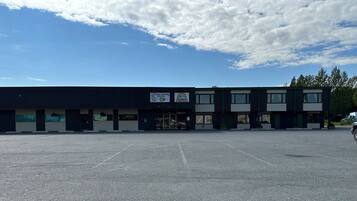

7. The Kenai Inn
The Kenai InnKenai
Artem
RM555
RM588 total
includes taxes & fees
1 Sept - 2 Sept


8. Southern Bluff B&B
Southern Bluff B&BSoldotna
Christopher
RM674
RM705 total
includes taxes & fees
27 Aug - 28 Aug

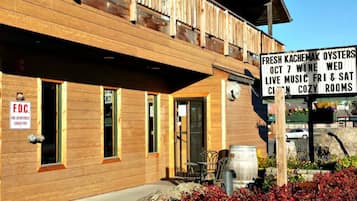

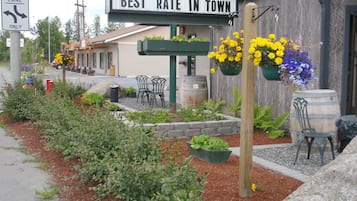
9. Soldotna Inn
Soldotna InnSoldotna
Divyank
RM313
RM344 total
includes taxes & fees
13 Sept - 14 Sept
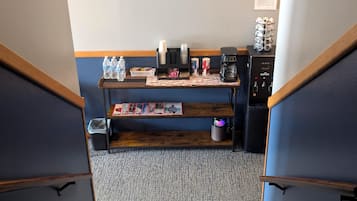
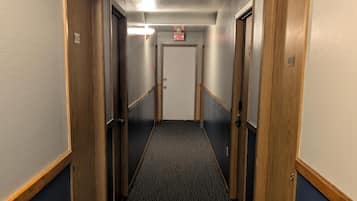

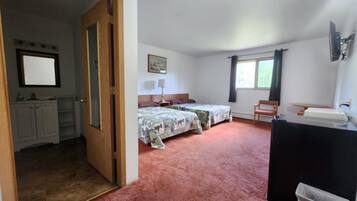
10. The Hibernation Station
The Hibernation StationSterling
karen
RM478
RM492 total
includes taxes & fees
17 Aug - 18 Aug
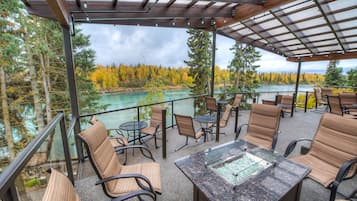
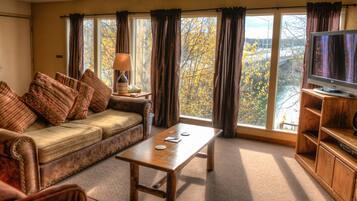
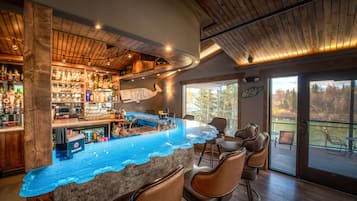
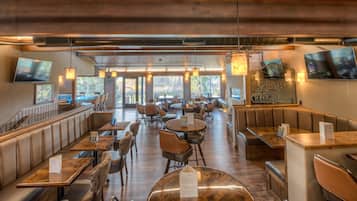
11. Kenai River Lodge
Kenai River LodgeSoldotna
Heather
RM690
RM759 total
includes taxes & fees
1 Sept - 2 Sept
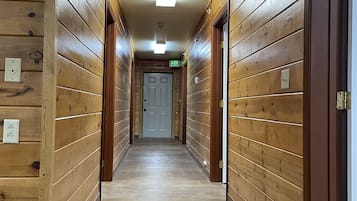
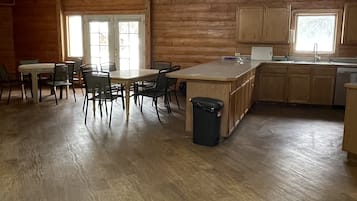
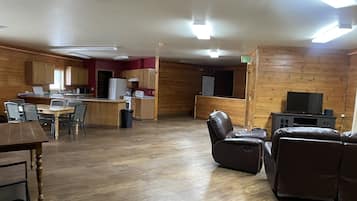

12. Soldotna Lodge
Soldotna LodgeSoldotna
Jose
RM381
RM392 total
includes taxes & fees
1 Sept - 2 Sept
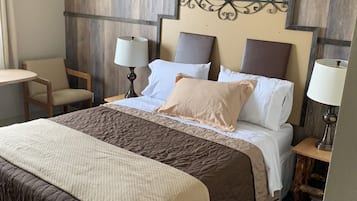


13. Alaska Angler's Inn
Alaska Angler's InnSoldotna
Kathy
RM360
RM396 total
includes taxes & fees
1 Sept - 2 Sept
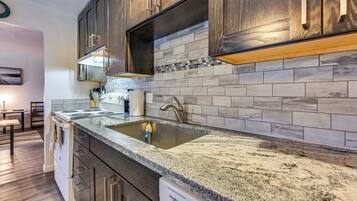
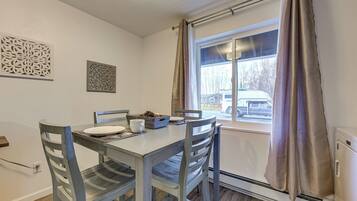

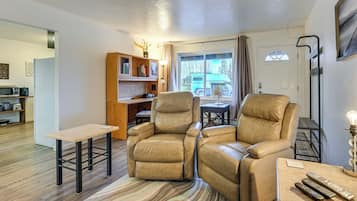
14. Comfort & Convenience! Apt in Central Soldotna
Comfort & Convenience! Apt in Central SoldotnaSoldotna
RM739
RM1,913 total
includes taxes & fees
14 Aug - 15 Aug


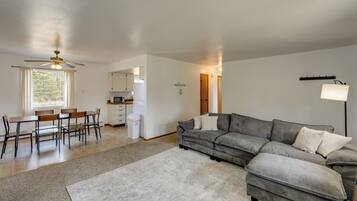
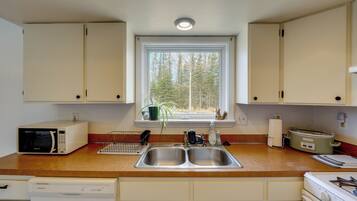
15. < 1 Mi to Soldotna Creek Park: Retreat w/ Fire Pit
< 1 Mi to Soldotna Creek Park: Retreat w/ Fire PitSoldotna
Anonymous traveller
RM1,117
RM2,055 total
includes taxes & fees
31 Aug - 1 Sept

Stay near popular Nikiski attractions
North Peninsula Recreation Area
8.8/10 (18 reviews)
Explore the great outdoors at North Peninsula Recreation Area, a lovely green space in Nikiski. Discover the volcano viewpoints while you're in the area.
Kotsina Road
8.0/10 (8 reviews)
You can take time to visit Kotsina Road during your travels to Nikiski. Discover the volcano viewpoints while you're in the area.
North Pennisula Recreation Center
8.0/10 (11 reviews)
Catch an event at North Pennisula Recreation Center during your trip to Nikiski. Discover the volcano viewpoints while you're in the area.
Cabin Lake
Commune with nature and explore the great outdoors at Cabin Lake during your travels in Nikiski. While you're in the area, stroll along the lakeside.
Island Lake
Commune with nature and explore the great outdoors at Island Lake during your travels in Nikiski. While you're in the area, stroll along the lakeside.
East Foreland Lighthouse Reserve
You can take time to visit East Foreland Lighthouse Reserve during your travels to Nikiski. While you're in the area, stroll along the lakeside.
Dogbone Lake
Commune with nature and explore the great outdoors at Dogbone Lake during your travels in Nikiski. While you're in the area, stroll along the lakeside.
Douglas Lake
Commune with nature and explore the great outdoors at Douglas Lake during your travels in Nikiski. While you're in the area, stroll along the lakeside.
Learn more about Nikiski
Explore secluded Nikiski: its canoeing, water parks, camping and more!
See all hotels in Nikiski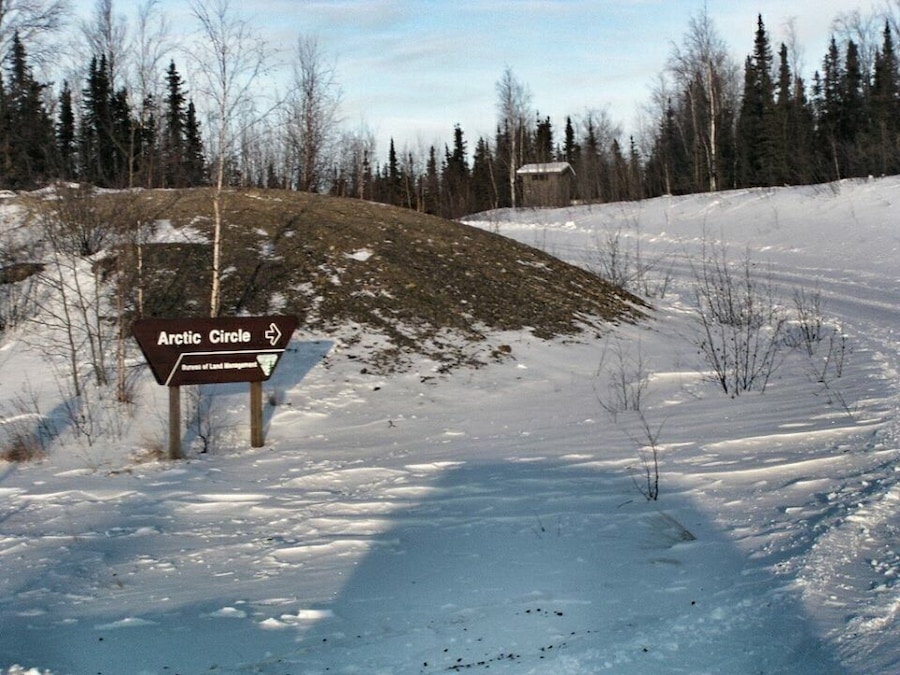
Photo by Sharrie Shaw
Top Nikiski Hotel Reviews

Aspen Hotel Soldotna
10/10 Excellent
"Nice place, friendly place"

Aspen Extended Stay Suites Kenai
10/10 Excellent
"Clean room and everything as expected. Thanks!"

Uptown Motel Kenai
8/10 Good
"It's an older motel but is very well maintained. The beds are very comfortable."
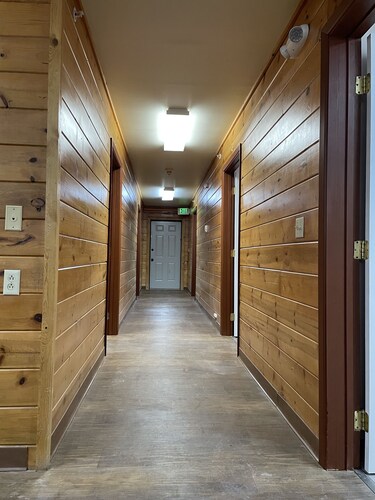
Soldotna Lodge
8/10 Good
"It was a nice lodge. Recently renovated. The bed was a little too hard for our liking. Common area was nice. The sitting area outside was inviting. We didn’t use the kitchen area but it looked well stocked."

Kenai River Lodge
8/10 Good
"Really enjoyed stay, staff and location, the convenience of the fishing right outside the room and the onsite fish cleaning and freezing options. Was a little disappointed my 18 year old grandsons weren’t aloud in the lounge to eat after 6pm. I understand the intention, however 6pm seemed a bit early. Somewhat inconvenient."

Alaska Angler's Inn
10/10 Excellent
"Convenient location. Clean but dated. And"

Soldotna Inn
8/10 Good
"It’s not beautiful. An older property. it was fine. Bed was comfortable. Free breakfast was decent. Perfectly fine for a last minute stay."
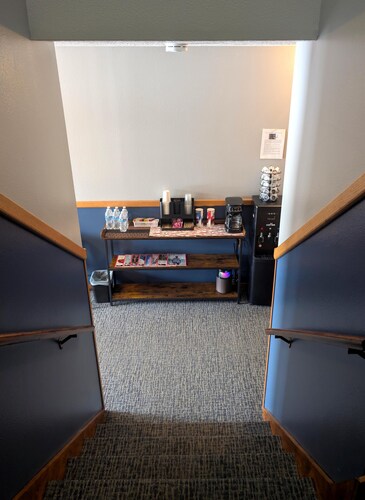
The Hibernation Station
10/10 Excellent
"We had a great trip and our stay was very comfortable. Super friendly staff."
More cheap stays in Nikiski

Soldotna Inn
35041 Kenai Spur Hwy. Soldotna AK
RM313
RM344 total
13 Sept - 14 Sept
includes taxes & fees

Aspen Extended Stay Suites Kenai
10431 Kenai Spur Hwy Kenai AK
RM659
RM698 total
6 Sept - 7 Sept
includes taxes & fees
9/10 Wonderful! (779 reviews)

Quality Inn Kenai
10352 Kenai Spur Hwy Kenai AK
RM667
RM707 total
6 Sept - 7 Sept
includes taxes & fees
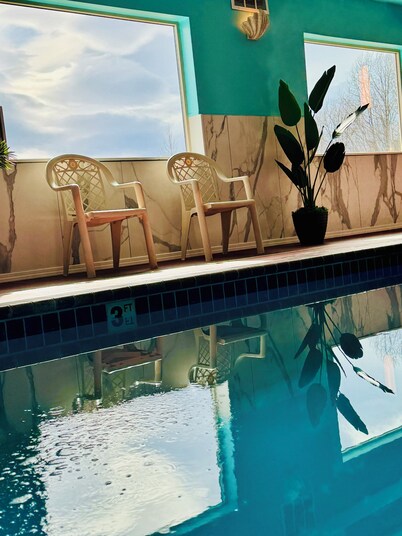
Aspen Hotel Soldotna
326 Binkley Circle Soldotna AK
RM695
RM764 total
17 Aug - 18 Aug
includes taxes & fees
8.6/10 Excellent! (861 reviews)

Uptown Motel Kenai
47 Spur View Drive Kenai AK
RM731
RM775 total
1 Sept - 2 Sept
includes taxes & fees
8.6/10 Excellent! (326 reviews)
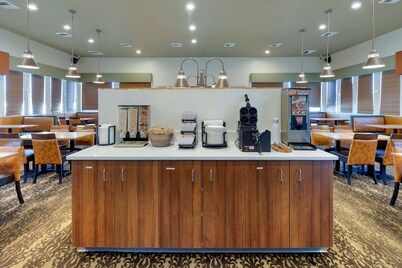
Best Western King Salmon Inn
35545 Kenai Spur Hwy Soldotna AK
RM805
RM886 total
16 Aug - 17 Aug
includes taxes & fees