Things to do in Qibao

Activities, attractions and tours
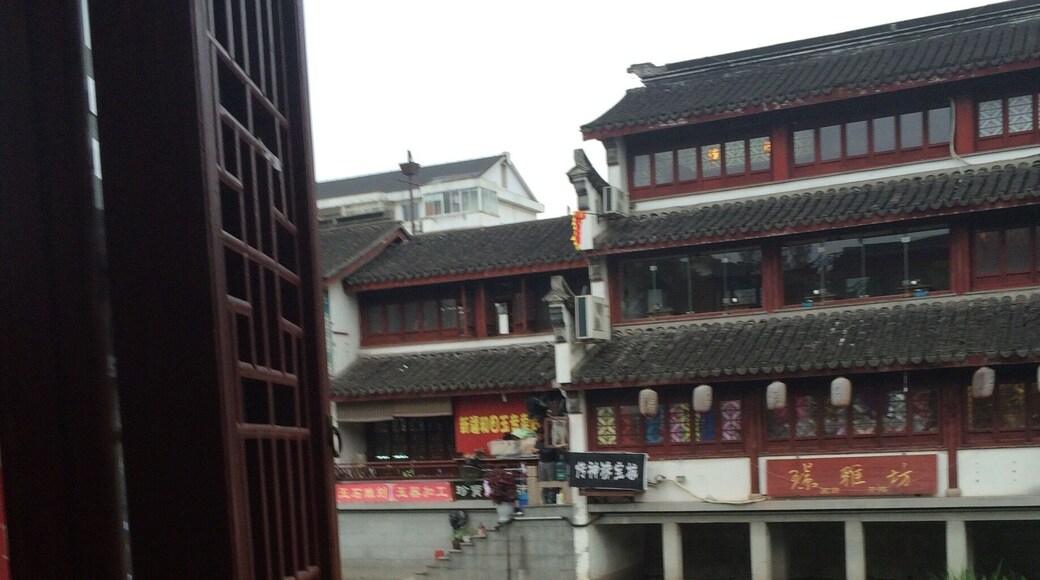
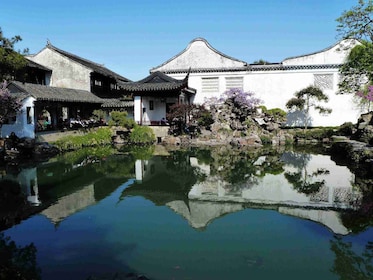
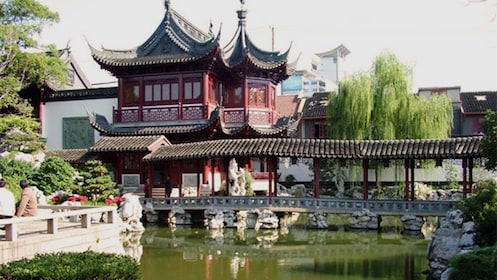
A traditional Chinese building with a tiled roof and red accents, reflecting on a calm water body.

Things to do


  • find price illustration

    Explore activities

    Explore thousands of experiences from activities and attractions to day tours and transfer.
  • calendar shield illustration

    Book with ease

    Skip the line- book tickets online in minutes to top attractions with free cancellation on many activities.
  • trophy illustration

    Treat yourself

    Members save % or more when you book activities.

Top places to visit

1. The Bund

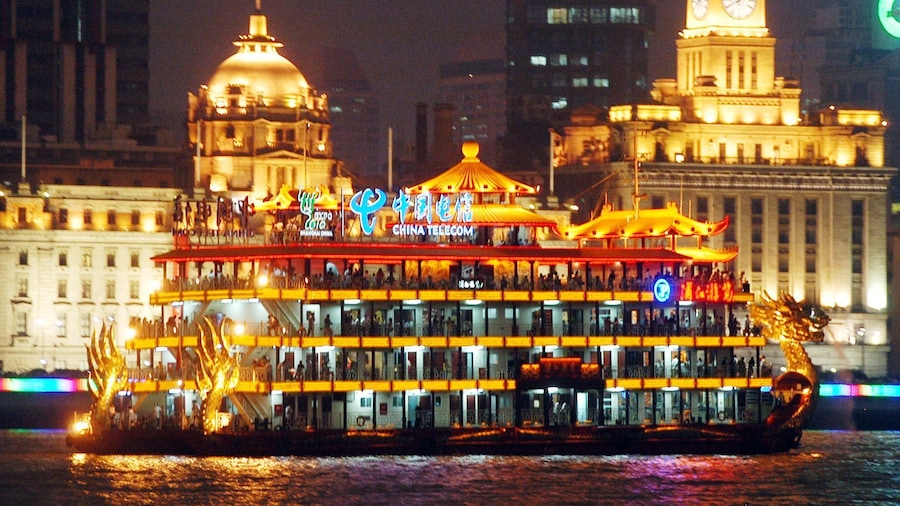
Stretching for over a kilometre along the banks of the Huangpu River, the Bund is one of Shanghai’s best known landmarks. It is a popular promenade with locals and tourists alike, providing fantastic views of romantic colonial architecture on one riverbank and gleaming high-rise buildings on the other.Join a walking tour to discover more about the history of the waterfront. Developed by European and American financiers throughout the nineteenth century, the Bund was once a major commercial hub. At its height, it was home to a number of key businesses including the ‘big four’ of the Chinese banking world.Following the Revolution of 1949, the area gradually fell from grace, eventually becoming little more than a multi-lane traffic jam. Over the last few decades, however, the Bund has seen a major redevelopment with many of its splendid period buildings having been restored and on display as ‘colonial relics’.The waterfront is a great place to visit in the early morning or later in the day. If you arrive first thing, you’ll find plenty of cafés and stalls where you can enjoy pancakes and steamed dumplings – known as baozi – before heading along the riverfront for a run or a spot of Tai Chi. In the early afternoon, tea is served in the grand hotels along the water.Later in the day, the Bund turns into a trendy destination for the city’s night owls. Watch the lights reflecting off the darkened waters as you sip a cocktail on a roof terrace or listen to jazz in bars once frequented by the likes of Noel Coward and Charlie Chaplin.The Bund is easily walkable from the Pudong area of Shanghai – just use the pedestrian tunnel beneath the river. If you are further afield, catch an underground train to East Nanjing Road Station. You can also get here by ferry, or incorporate it into a boat tour along the river.
Learn more
A large, historic building with a clock tower and a dome, surrounded by modern skyscrapers and a busy square with pedestrians.

2. Nanjing Road Shopping District

The Nanjing Road Shopping District, one of the city’s busiest shopping areas, has a history stretching back more than 100 years. The district is now a mix of towering department stores and colonial-era buildings along a pedestrian mall. Find luxury brands, international fast-food chains, and shops selling silk and jade.
Learn more
A busy urban street with tall buildings, billboards, and traffic lights.

3. People's Square

People's Square, or Renmin Square, is Shanghai’s massive central square. This popular public gathering place is home to the Shanghai Museum, the Shanghai Urban Planning Exhibition Hall and the Grand Theater, among other attractions. Admire the towering modern buildings that surround the square and watch local residents chatting and flying ornate kites over the grassy lawn areas.
Learn more
A cityscape with modern skyscrapers, a large park with trees, and a distinctive building with a unique roof design.

4. Former French Concession

A popular area for European residents in colonial times, the Concession is still a sought after location for expats and well-to-do locals. Famed for its romantic French villas and sprawling colonial mansions, this chic district is now also home to gleaming high-rise apartment blocks.Walking trips will guide you round the historic alleyways, with in-depth explanations of the area’s unique history. Even if you don’t have time to take a tour, try to set aside an hour to look round the home of Sun-Yat-sen. The first President of the People’s Republic of China, the ‘Father of the Nation’ was instrumental in the overthrow of the Qing Dynasty and the creation of modern China. His house is now open to the public and has been converted into a museum which contains many of his personal effects.The French Concession is the perfect place to indulge in some retail therapy. Global fashion chains can be found on Huaihai Road, while more traditional silk dresses can be made to your measurements in the shops on Chang Le Lu. If you have an eye for an original piece, check out the vintage stores and handmade offerings.When you’ve had your fill of shopping, why not take a moment to relax in Fuxing Park. Nestled in the middle of the shops, this oasis of calm is a great place to sit back and watch the world go by. It is a popular spot for Tai Chi and competitive local games of Mahjong. Alternatively, head over to Ferguson Lane for a bite to eat. Its continental past is still very much in evidence as the area is filled with delicious French and Italian restaurants, which sit alongside traditional Chinese establishments.To get to the French Concession, just jump on a metro to Xujiahui Station which is a few minutes away or walk over from the Bund, which is nearby.
Learn more
A tree-lined urban street with outdoor cafes and restaurants.

5. Jing'an Temple

Originally constructed in the 3rd century AD, the Jing’an Temple has undergone a series of reconstructions over the centuries. It was moved from nearby Suzhou Creek during the Song Dynasty and was turned into a plastics factory following Mao Zedong’s Cultural Revolution.The temple’s latest incarnation dates back to the 1980s, when it was rebuilt following a fire which devastated the previous structure. The modern temple is a spiritual refuge in the bustling city centre, its glistening golden roofs and carved mahogany pillars contrasting spectacularly against the busy commercial buildings which surround it.Shower your nearest and dearest with blessings by burning incense or dropping a coin in the urn by the entrance, before making your way into the shrine. This is a thriving temple, with daily worship and a three-day Temple Fair to celebrate the Buddha’s birthday every May. If you are in Shanghai during the Fair, it’s well worth dropping by. Villagers and city-dwellers have been coming here since the seventeenth-century Qing Dynasty to sell their artisanal crafts and local produce.Jing’an Temple houses some of China’s most important Buddhist relics, including a 4-metre tall Buddha carved out of jade and the priceless bronze Hongwu bell which dates back to the Ming Dynasty. Other pieces, including the influential art and calligraphy of the Eight Eccentric Painters of Yangzhou, are displayed in the exhibition hall. In the basement, you’ll find over 130,000 pieces of carefully preserved stone scripture, while the Grand Hall plays host to a Sakyamuni Buddha, cast from 15 tonnes of silver.Located on the busy West Nanjing Road, you can reach the temple by bus or metro. It is open every day throughout the year and there is a small entry fee to enter.
Learn more
A traditional Chinese temple with golden roofs and intricate designs, surrounded by modern skyscrapers.

6. Yu Garden

Literally translated as ‘Garden of Peace and Comfort’, Yu Yuan Garden was created as a place of calm and respite for the elderly parents of a sixteenth century government official. With its rivers, gardens and classical Chinese architecture, the garden represents a haven of calm reflection in the hubbub of the Old Town. It is hard to imagine that the busy streets and raucous vendor’s cries of Shanghai’s Bazaar are just a few minutes away on the other side of the protective Dragon wall.Yu Yuan Garden is also historically significant. The British Army used the Huxinting Teahouse as a temporary base during the First Opium War in 1842. Later, the Small Swords Society operated from the Dianchun Hall during the Taiping Rebellion and untold damage was caused to much of the architecture. It was restored to its former glory during the second half of the twentieth century and is now open to the public once again for a small admission fee.Set aside a couple of hours to get away from it all and explore the numerous nooks and crannies of this beautiful urban retreat. Paths lead you round a slowly winding spiral past palm trees, pools and elaborate pavilions, ending in the quiet sanctuary of the Inner Garden.Stop for a glimpse of the famed Exquisite Jade Rock, a spectacular 5-ton chunk of precious stone. A short climb to the top of the Great Rockery will be rewarded with spectacular views of the glittering koi ponds and soothing green canopy of trees ancient and modern.The Pavilion of Ten Thousand Flowers is surrounded by gorgeous greenery, including a young spring bamboo grove and a flourishing 400-year old Maidenhair tree. Believed to have been planted by the garden’s creator Pan Yunduan, it now stretches to more than 21 metres in height.The entire garden is dotted with beautiful figurines carved in stone, wood and metal. Much of its beauty is in the tiny details, like the vase-shaped door you spot on a pavilion, which will make you feel like the garden is letting you in on an intimate secret.The Yu Yuan Garden is 30 minutes on foot from downtown Shanghai and serviced by numerous buses and trains. It is in the centre of a busy shopping district, so expect to be approached by touts and vendors as you approach.
Learn more
A traditional Chinese pavilion over a pond with tourists, surrounded by modern skyscrapers.

7. Xintiandi Style Shopping Centre

Xintiandi is an important historical district with a very modern twist. It is an area of particular architectural interest as it contains an impressive collection of Shikumen Houses, a style of housing which is unique to Shanghai. Whilst preserving the distinctive arching stone doorways and external aesthetic of these singular buildings, the insides have been converted into a series of stylish shops, restaurants and cafés.The entire Xintiandi District is pedestrianized, so you can wander around the narrow streets in relative safety. You couldn’t choose a prettier place to indulge in some serious shopping. As you wander between the chic boutiques, you can’t fail to notice the city’s spectacular architecture, its unique fusion of eastern and western influences creating a series of streets with sloping, angular roofs and elaborately carved lintels.The five-roomed Shikumen Open House Museum gives a feel of what living in one of these buildings must have been like. It is crammed with authentic tools, furniture and toys from the 1920s, giving you a flavour of everyday life. A miniscule room recreates the living conditions of a Tingzijian writer, letting you step into his shoes for a few moments.Xintiandi is also home to the historic building where the First National Congress of the Communist Party of China was held. It is now a museum displaying photos, documents and other fascinating items from the era. The gift shop is a great place to pick up a Communist-themed memento – the perfect reminder of how modern China came into being.When you start to feel hungry, pull up a chair at one of the many cafés whose tables spill out onto the narrow alleyways and order yourself some delicious dim sum. The dumplings, which are a speciality of the area, are delicious. In the evenings, you will find a number of upmarket bars serving cool beer and cocktails to the thumping beat of live bands and world-renowned DJs.Xintiandi is a popular area which is easy to reach on the bus or the underground. If you’re in downtown Shanghai, you can get there on foot in around 20 minutes.
Learn more
An outdoor cafe with brick arches, red umbrellas, and trees.

What to do in Qibao


Frequently asked questions

Is Qibao worth visiting?
Qibao has an interesting mix of attractions, culture and local charm. Whether you're into history, nature or local culinary flavours, there's plenty here to enjoy.
How do I spend a day in Qibao?
Former French Concession and Shanghai Museum are two excellent places to begin your getaway adventures. Remember to explore the shopping and dining options in Qibao while you're in town too.
What is the top tourist attraction in Qibao?
Don't go home without visiting Former French Concession, rated the top tourist attraction in Qibao.
Is three days enough to stay in Qibao?
Three days will give you time to tick off many city attractions, such as Qibao Old Street, Shanghai Zoo and St. Ignatius Cathedral. The average stay in Qibao is three days. If you feel the urge to extend your holiday, Shanghai isn't far away.
Is Qibao a walkable city?
With major attractions like Qibao Old Street nearby, Qibao is every bit a destination to explore on foot. Want to discover some vibrant neighbourhoods within walking distance of the city centre? Hongqiao is around 3 kilometres away.
What are some activities to do in Qibao with kids?
Planning what to do in Qibao with kids has never been easier. Whether you're getting away with little ones or teenagers, there are plenty of family-friendly sights to keep them busy here.

What to do in Qibao for adults?
Whether you're an avid foodie, culture enthusiast or outdoor explorer, there are plenty of things to do in Qibao for adults including Xianxia Road and Laowai Street 101.
Are there free things to do in Qibao?
In Qibao, Qibao Old Street is a must-see spot for anyone wanting to see the city without opening their wallet. Also, stroll around the local neighbourhoods and parks, and ask a local tour guide for tips. It's a great way to find out about the best free things to do in Qibao.