


Cottages in Albemarle County
 Change your mindBook hotels with free cancellation
 Be pickySearch almost a million properties worldwide
Check prices for these dates
In two weeks
In two months
In three months
In four months
Our top choices for Albemarle County cottages


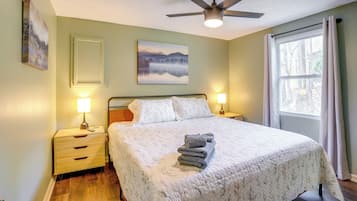

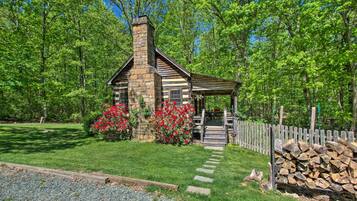
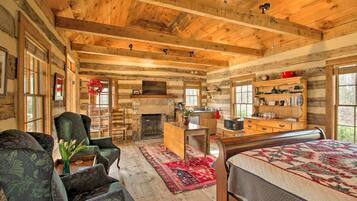
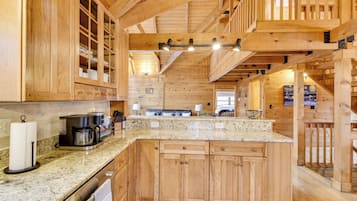
1. Serene Roseland Retreat Near Wintergreen Resort!
Serene Roseland Retreat Near Wintergreen Resort!Roseland

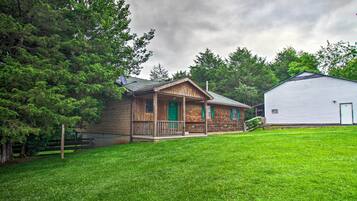
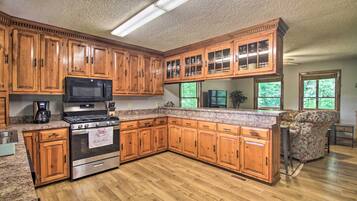

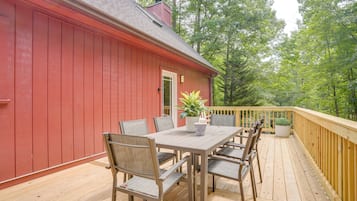
2. Pet-friendly VA Home ~ 30 Mi to Shenandoah NP
Pet-friendly VA Home ~ 30 Mi to Shenandoah NPWeyers Cave
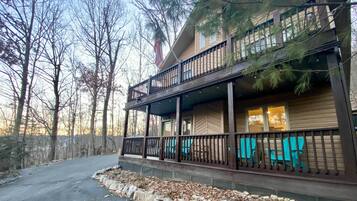


3. Family Getaway < 2 Mi to Massanutten Ski Lodge!
Family Getaway < 2 Mi to Massanutten Ski Lodge!McGaheysville
10.0 out of 10, Exceptional, (2 reviews)
"Our stay was very enjoyable. The property had everything and more to keep us comfortable and entertained. We had 12 on our trip ages ranging from 2 to 72 and everyone was happy. "

Amy

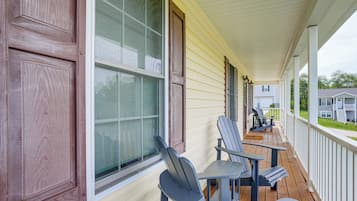
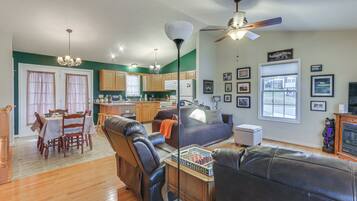
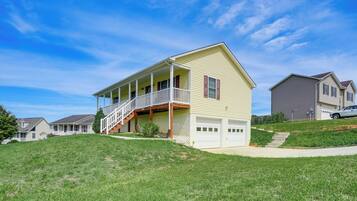
4. Hike Shenandoah! Family-friendly House w/ Deck
Hike Shenandoah! Family-friendly House w/ DeckShenandoah
10.0 out of 10, Exceptional, (1 review)


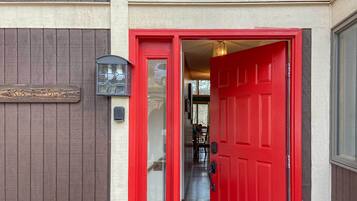

5. 'the Overlook' in Massanuttens All Season Resort
'the Overlook' in Massanuttens All Season ResortMcGaheysville
8.0 out of 10, Very good, (1 review)
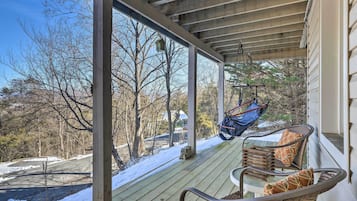

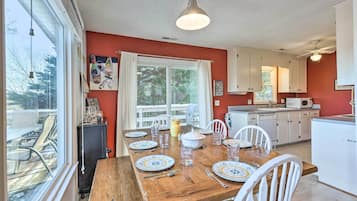

6. Massanutten Retreat w/ Double Deck & Mtn View!
Massanutten Retreat w/ Double Deck & Mtn View!McGaheysville
10.0 out of 10, Exceptional, (1 review)
"The property is lovely quiet community nice home to spend vacation with family. Very convenient commute to attractions in Massanutten very close to the water park. The Host was extremely helpful with great hospitality any questions I had I got immediate response really nice. Very quiet nice community if you looking for a quiet community to vacation this is it. Definitely would book this home again. "
Shantel
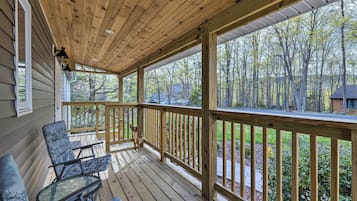
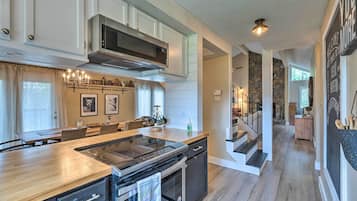

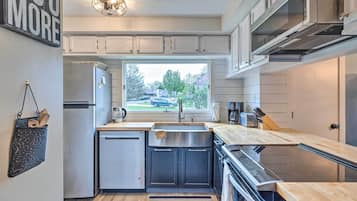
7. Pet-friendly Massanutten Resort Home w/ Yard!
Pet-friendly Massanutten Resort Home w/ Yard!McGaheysville
9.6 out of 10, Exceptional, (4 reviews)
"I would definitely book with evolve again and again."
Chrystal


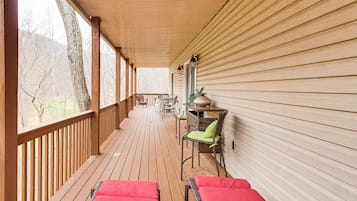
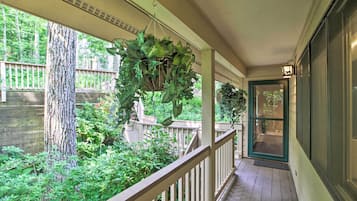
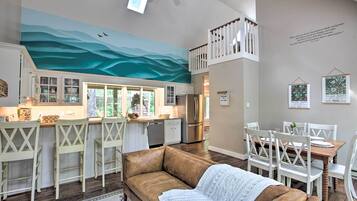
8. Mtn-view Deck! Modern Cabin at Base of Massanutten
Mtn-view Deck! Modern Cabin at Base of MassanuttenMcGaheysville
8.0 out of 10, Very good, (3 reviews)
"Great location "
Ricardo





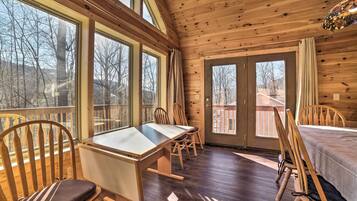


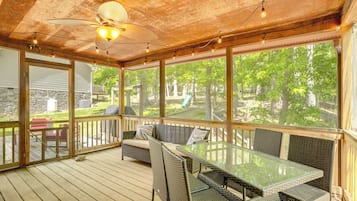
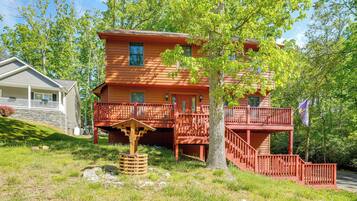
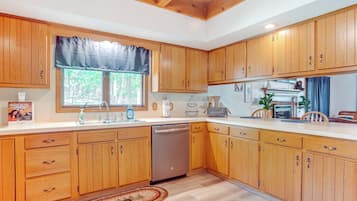





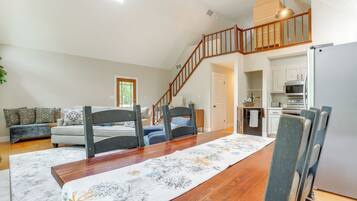
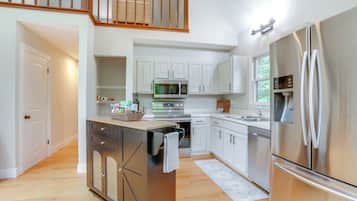


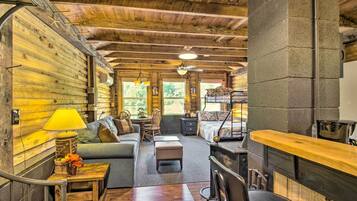
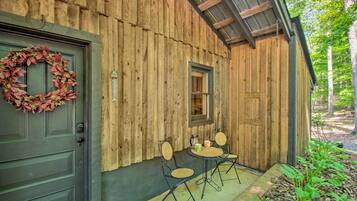


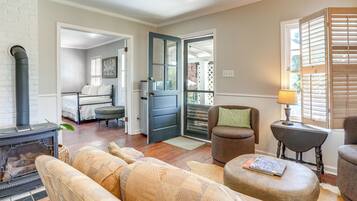
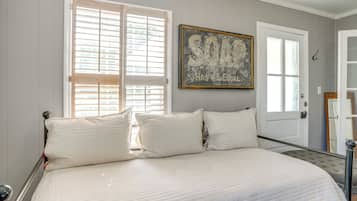
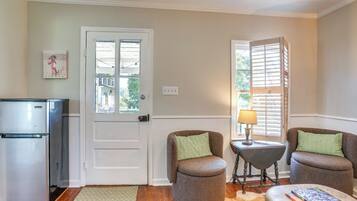

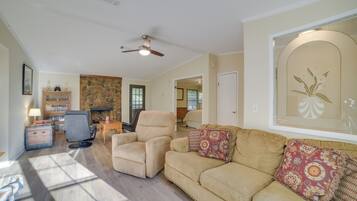
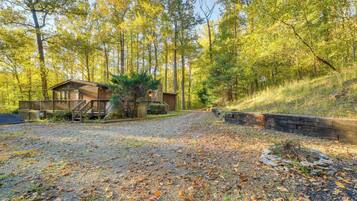


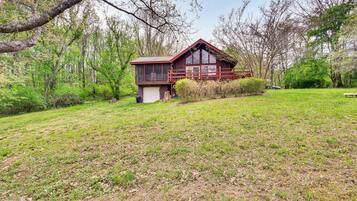
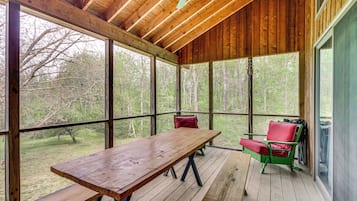





Lowest nightly price found within the past 24 hours based on a 1 night stay for 2 adults. Prices and availability subject to change. Additional terms may apply.
Find holiday rentals that suit your style
Private holiday homes
Aparthotels

Save an average of 15% on thousands of hotels when you're signed in
Top Albemarle County Hotel Reviews
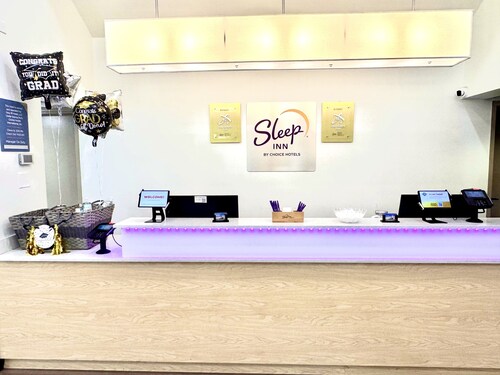
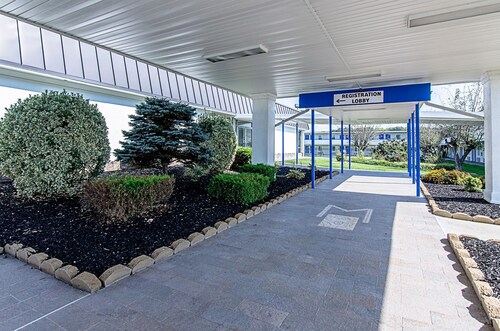
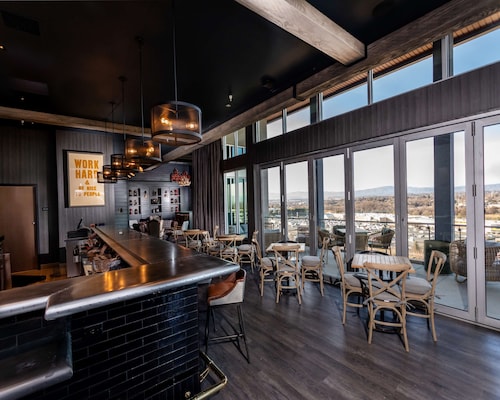
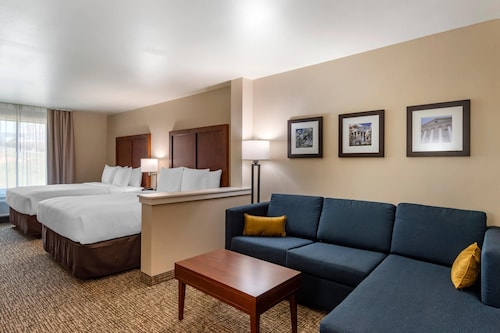
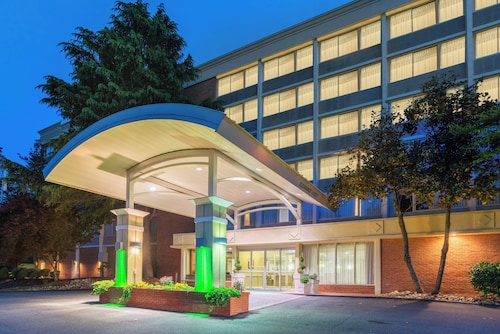
Sleep Inn Staunton
10/10 Excellent



Find out more about Albemarle County
Albemarle County Cottages information
Number of reviews | 18 |
|---|---|
Accommodation | 148 Cottages |
Lowest Price | |
Highest Price |
Explore a world of travel with Expedia
- 4 Star Hotels in Syria
- Afton Hotels
- Guest Houses in Albemarle County
- Private Holiday Homes in Amherst County
- Bridgewater Hotels
- Broadway Hotels
- Motels in Buckingham County
- Villas in Buckingham County
- Buckingham Hotels
- Chestnut Springs Hotels
- B&B in Culpeper County
- Hotels with Gyms in Harrisonburg
- Harrisonburg Hotels
- Cabin Rentals in Nelson County
- Orange Hotels
- Quinque Hotels
- Cabin Rentals in Reva
- Hotels with Spa in Reva
- Reva Hotels
- Roseland Hotels
- Hotels near Shenandoah National Park
- Cabin Rentals in Shenandoah Valley
- Syria Hotels
- Resorts in Syria
- B&B in Tyro
- Tyro Hotels
- Flights to Bridgewater
- Flights to Raphine
- Flights to Skyland
- Flights to Syria
- Flights from Charlottesville-Albemarle
- Flights from Raphine
- Flights from Syria
- Flights from Etlan
- Flights from Asheville (AVL) to Charlottesville (CHO)
- Flights from Seattle (BFI) to Charlottesville (CHO)
- Flights from Bar Harbor (BHB) to Charlottesville (CHO)
- Flights from Bismarck (BIS) to Charlottesville (CHO)
- Flights from Belmar (BLM) to Charlottesville (CHO)
- Flights from Nashville (BNA) to Charlottesville (CHO)
- Flights from Brisbane (BNE) to Weyers Cave (SHD)
- Flights from Benin City (BNI) to Charlottesville (CHO)
- Flights from Charleston (CHS) to Louisa (LOW)
- Flights from Fort Madison (FMS) to Charlottesville (CHO)
- Flights from Flint (FNT) to Charlottesville (CHO)
- Flights from French Lick (FRH) to Weyers Cave (SHD)
- Flights from Gillette (GCC) to Charlottesville (CHO)
- Flights from Huesca (HSK) to Weyers Cave (SHD)
- Flights from Nikolski (IKO) to Charlottesville (CHO)
- Flights from Kirksville (IRK) to Charlottesville (CHO)
- Flights from Lincoln (LNK) to Weyers Cave (SHD)
- Flights from Machala (MCH) to Charlottesville (CHO)
- Flights from Orlando (MCO) to Gordonsville (GVE)
- Flights from Monterey (MRY) to Charlottesville (CHO)
- Flights from New Orleans (MSY) to Charlottesville (CHO)
- Flights from Myrtle Beach (MYR) to Weyers Cave (SHD)
- Flights from Poughkeepsie (POU) to Charlottesville (CHO)
- Flights from Reading (RDG) to Charlottesville (CHO)
- Flights from San Antonio (SAT) to Charlottesville (CHO)
- Flights from Weyers Cave (SHD) to Charlottesville (CHO)
- Flights from Singapore (SIN) to Charlottesville (CHO)
- Flights from Shannon (SNN) to Charlottesville (CHO)
- Flights from Sodankyla (SOT) to Charlottesville (CHO)
- Flights from Trinidad (TDA) to Charlottesville (CHO)
- Aroda Holidays
- Visit Aroda
- Bearfence Mountain
- Belmont Farms Distillery
- Charlottesville Holidays
- Dark Hollow Falls
- Visit Greenwood
- Hardesty-Higgins House Visitor Center
- John Paul Jones Arena
- Visit Keswick
- Louisa Holidays
- Masanutten Ski Resort
- Visit McGaheysville
- Visit New Market
- Visit North Garden
- Visit Reva
- Visit Rockfish
- R.r. Smith Center for History & Art
- Shenandoah National Park
- Shenandoah Valley Flea Market
- Solace Studios Fine Handcrafts
- Staunton Holidays
- Syria Holidays
- Visit Syria
- The Woodrow Wilson Presidential Library
- Walton's Mountain Museum
- White Oak Lavender Farm & The Purple WOLF Vineyard
- Wilson Park