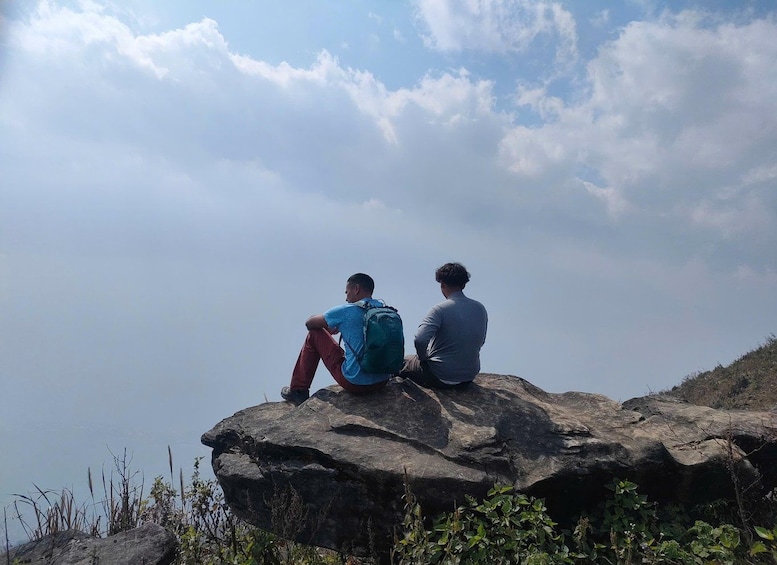
When I was a child, I didn’t come to this mountain for adventure.
I came here because my parents had to work.
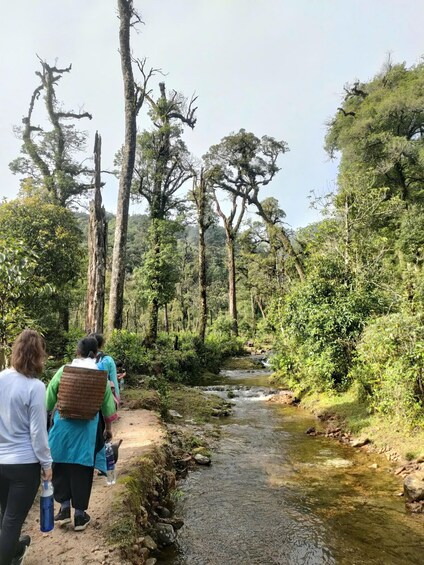
Before tourism existed in Sapa, we walked into this forest to plant and harvest cardamom. We carried food on our backs, walked for hours in silence, and followed narrow, muddy paths that most people today would never notice.
This trail was never made for visitors.
It was a path of survival.
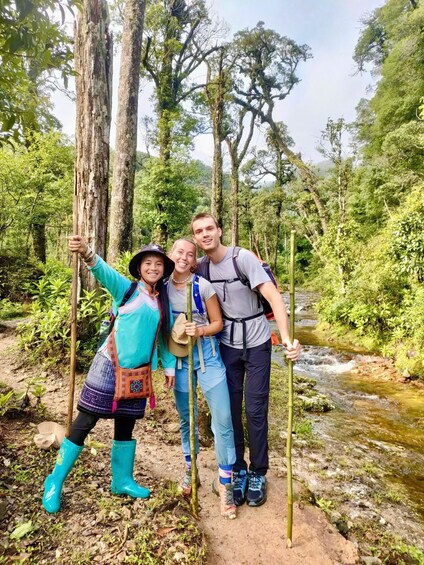
Today, I walk this same path again — but this time, I walk with you.
Not as a tour guide showing you a route on a map,
but as someone returning to a place that shaped my life.
We start early, leaving Sapa behind while the town is still quiet. Step by step, we enter the forest — deeper and deeper, until there are no roads, no noise, just the sound of nature and your footsteps.
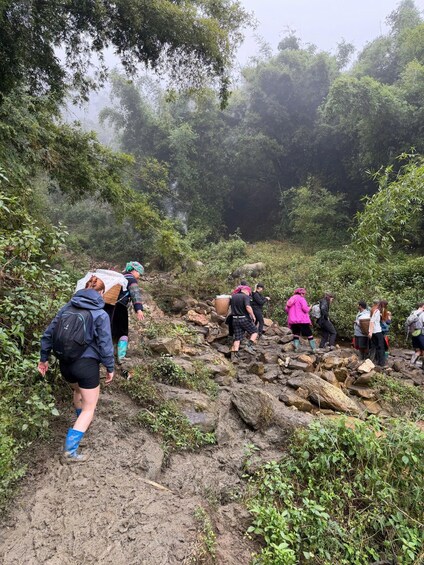
This is not a “designed” trekking route.
Some parts are steep.
Some are slippery.
Some are the exact same sections I walked as a child, following my parents into the mountains.
Along the way, I will not give you a rehearsed story.
I will show you:
where we used to rest
how we carried supplies into the forest
how cardamom became the main income for many H’mong families
and how life has changed since tourism arrived
You are not just walking through the forest.
You are walking through a real past that still exists here.
We stop in the forest for a simple meal — not a restaurant, not a viewpoint, just a quiet place surrounded by trees.
Then we continue the journey upward.
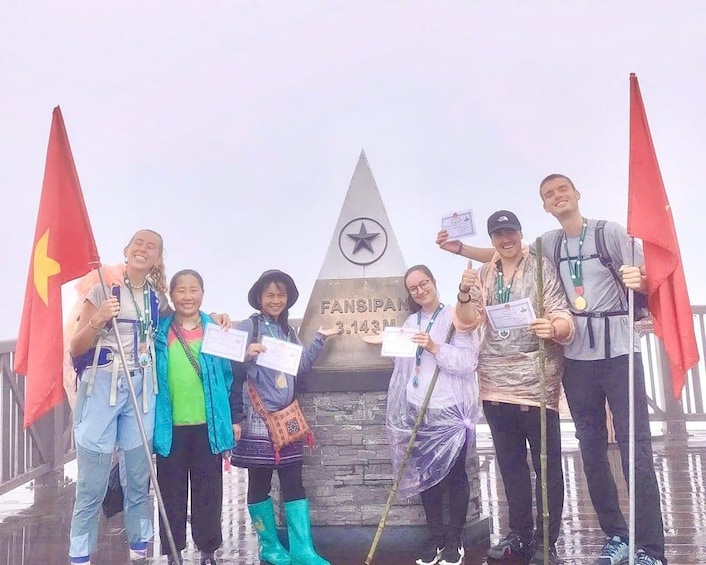
Reaching Fansipan is not the most important part for me.
What matters is that when you arrive, you understand what this mountain truly meant — not just as the highest peak in Indochina, but as a place where people lived, worked, and survived.
This experience is for you if:
You don’t want a typical tourist trek
You want something real, not polished
You care about stories, not just scenery
You are ready for a physically and mentally honest journey
If you walk with me, you are not just climbing Fansipan.
You are walking a path that once fed my family.