expedia

Ratu Boko Temple Entry Ticket

Oleh GlobalTix Pte Ltd
Harga adalah RM 12 seorang dewasa
Ciri-ciri
  • 10j 30m
  • Baucar mudah alih
  • Pengesahan serta-merta
Gambaran keseluruhan
  • Ratu Boko: ancient hilltop palace near Prambanan.
  • Historic Ratu Boko, a blend of Hindu–Buddhist heritage.
  • Ratu Boko Palace: 8th-century royal complex ruins.
  • Peaceful hilltop ruins of the Ratu Boko kingdom.
  • Ratu Boko: legendary palace of Ratu Boko and Jonggrang.
Lokasi aktiviti
  • Keraton Ratu Boko
    • Jalan Bendo
    • Yogyakarta, Daerah Istimewa Yogyakarta, Indonesia
Titik Pertemuan/Penebusan
  • Keraton Ratu Boko
    • Jalan Bendo
    • Yogyakarta, Daerah Istimewa Yogyakarta, Indonesia

Semak ketersediaan


Ratu Boko for for Indonesian WEEKEND/PUBLIC HOLIDAY
  • Tempoh aktiviti ialah 10 jam dan 30 minit10j 30m
    10j 30m
  • Waktu operasi: Sab 07:00-17:30
Butiran harga
RM 17.28 x 1 DewasaRM 17.28

Jumlah
Harga adalah RM 17.28
Ratu Boko for Non-Indonesian ID holder
  • Tempoh aktiviti ialah 10 jam dan 30 minit10j 30m
    10j 30m
  • Waktu operasi: Sab 07:00-17:30
Butiran harga
RM 79.20 x 1 DewasaRM 79.20

Jumlah
Harga adalah RM 79.20

Perkara yang dirangkumi dan tidak dirangkumi

  • Apa yang disertakanApa yang disertakan
    Ratu Boko Temple Entrance Ticket
  • Apa yang tidak disertakanApa yang tidak disertakan
    Ratu Boko Operating Hours: 7:00 AM – 5:30 PM. Please note: Last ticket scan is at 4:00 PM.

Ketahui sebelum anda tempah

  • Tickets are valid only on the selected date.
  • Adults: 10 years and above.
  • Children: 3–10 years old.
  • Infants: 1–2 years old, no ticket required.

Perkara yang anda boleh jangka

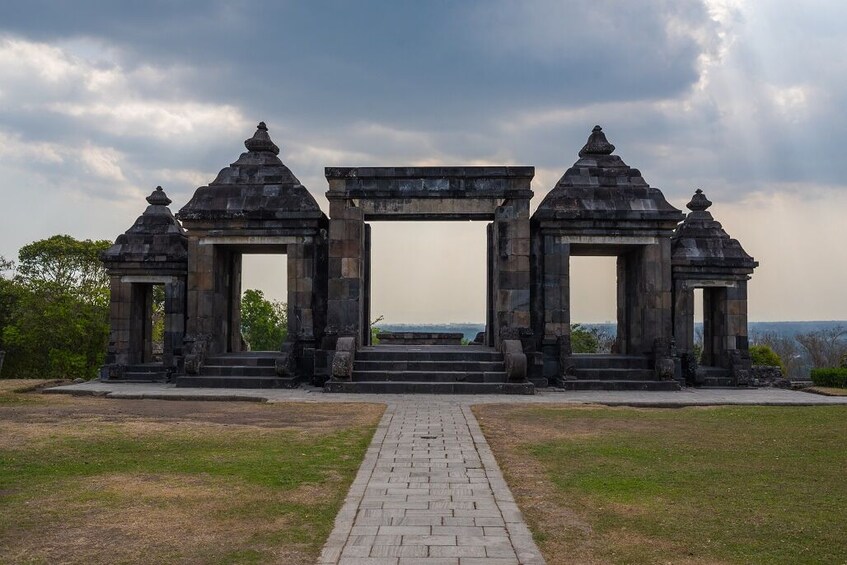
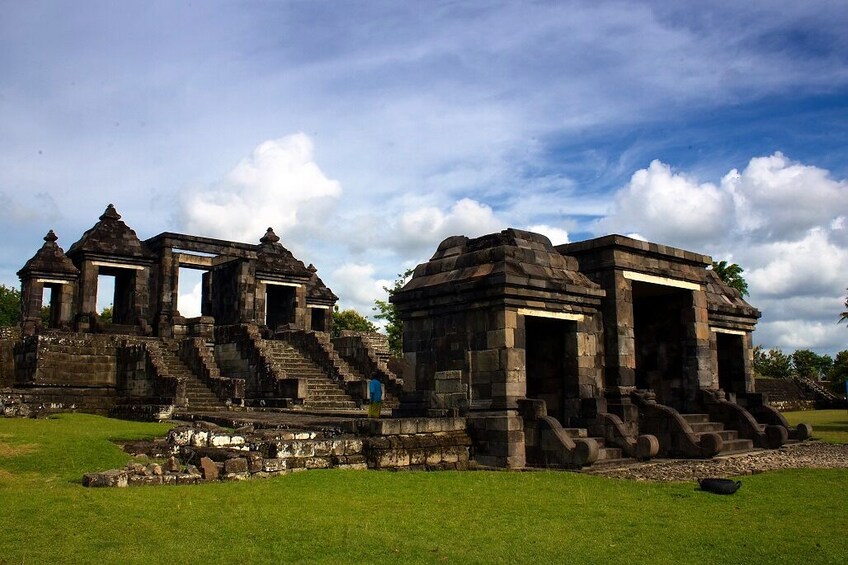
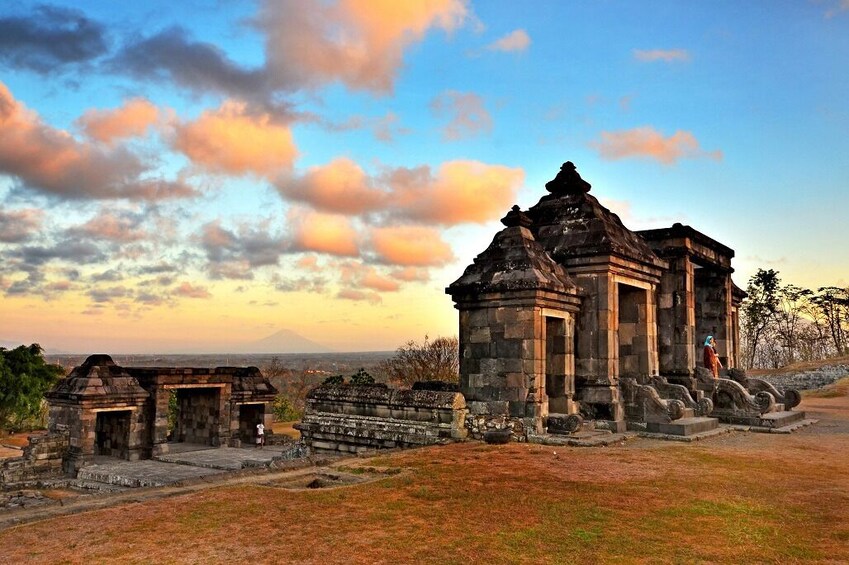
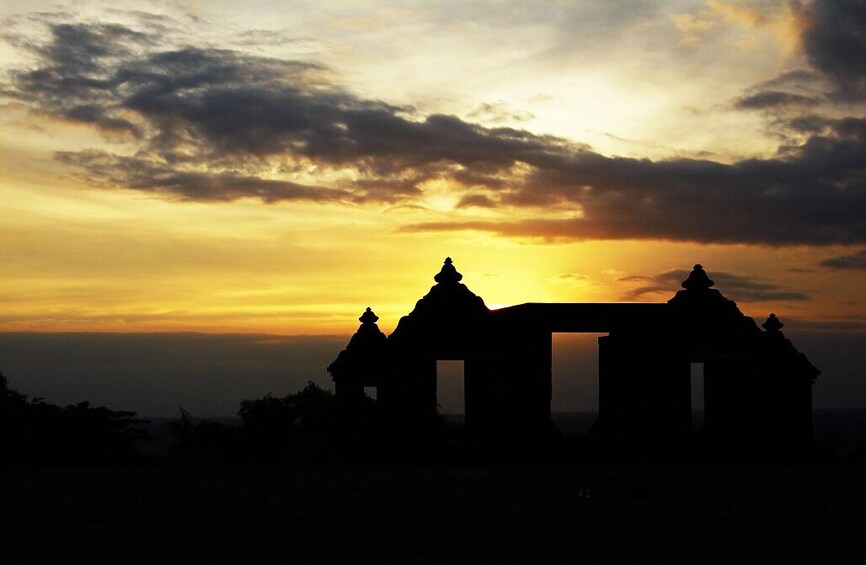
Ratu Boko is located approximately 3 kilometers south of Prambanan Temple, situated on a hilltop at about 195.97 meters above sea level. Unlike typical ancient temples, Ratu Boko is actually the remains of a palace complex. For this reason, it is often referred to as Kraton Ratu Boko. According to local legend, this site was once the palace of Ratu Boko, the father of Lara Jonggrang.

The Ratu Boko complex is believed to have been established in the 8th century by the Buddhist Syailendra Dynasty, and later taken over by the Hindu rulers of Mataram. This transition of power resulted in architectural and cultural elements influenced by both Buddhism and Hinduism.

One of the most important findings at the site is the Abhayagiriwihara Inscription, dated to 792 AD. Written in pranagari script—a hallmark of Buddhist inscriptions—it states that King Tejapurnama Panangkarana, believed to be Rakai Panangkaran, ordered the construction of Abhayagiriwihara. His name also appears in several other historical inscriptions, including the Kalasan Inscription (779 AD), Mantyasih Inscription (907 AD), and Wanua Tengah III Inscription (908 AD).

The term abhaya means “peace,” and giri means “hill,” so Abhayagiriwihara translates to “a monastery built on a peaceful hill.” During the reign of Rakai Walaing Pu Kombayoni (898–908 AD), the monastery was renamed Kraton Walaing.

Today, the Ratu Boko site spans a vast area and features several building groups. Although many structures now lie in ruins, the site remains a significant historical landmark with a rich blend of cultural and architectural heritage.


Lokasi

Lokasi aktiviti
  • LOB_ACTIVITIESLOB_ACTIVITIES
    Keraton Ratu Boko
    • Jalan Bendo
    • Yogyakarta, Daerah Istimewa Yogyakarta, Indonesia
Titik Pertemuan/Penebusan
  • PEOPLEPEOPLE
    Keraton Ratu Boko
    • Jalan Bendo
    • Yogyakarta, Daerah Istimewa Yogyakarta, Indonesia