Why visit north Hangzhou? Because this is where the city shows its other face — not the polished postcard of West Lake, but a raw, layered landscape of forest and steel. And your host knows it by heart. Her family gave two generations to Hangzhou Steelworks: her grandparents worked in procurement and on the production floor; her mother grew up running up Banshan Mountain to fetch spring water and attending school on the slope. The factory was its own universe — it had its own power plant, its own supply depot. When the rest of Hangzhou lost power, Hang Steel stayed lit. That era has passed, but the place still hums with nostalgia.
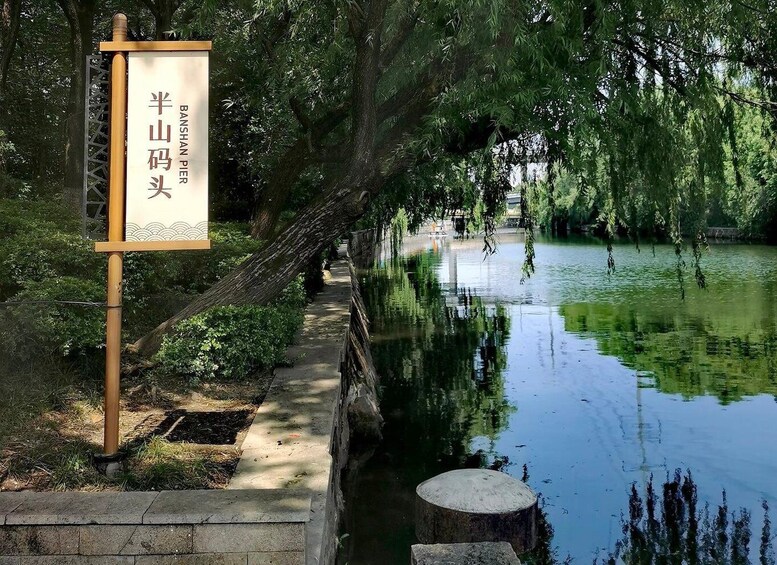
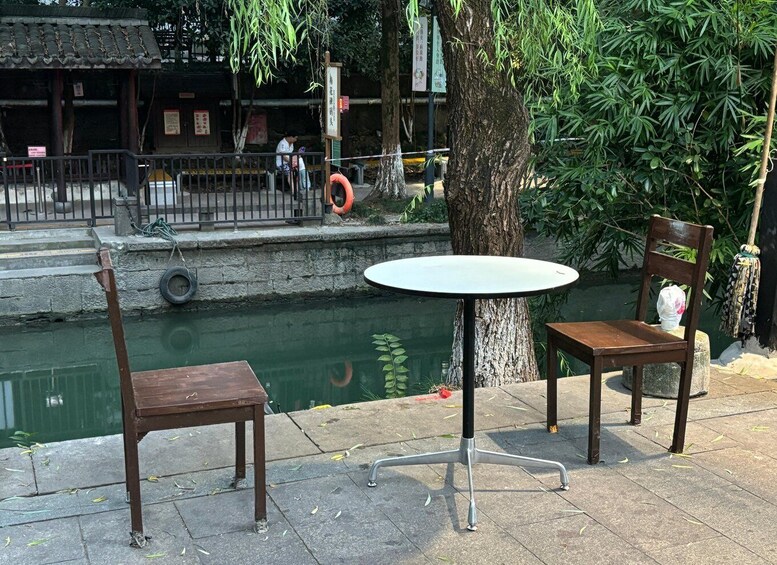
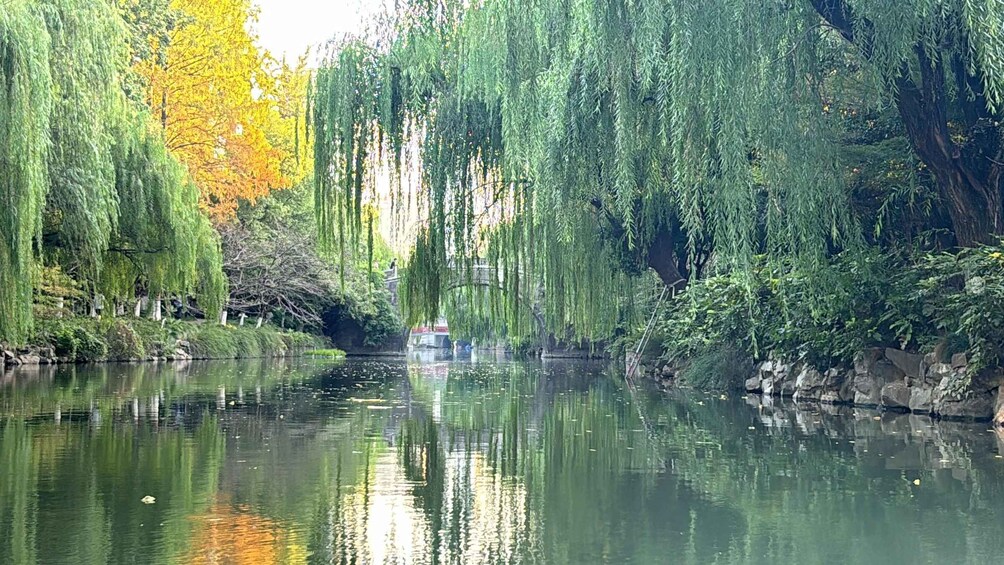
Start at Datieguan Pier. Board a local water bus onto an offshoot of the Beijing-Hangzhou Grand Canal — the world's longest man-made waterway. Glide past historic docks as your guide shares stories of emperors, silk, and tea.
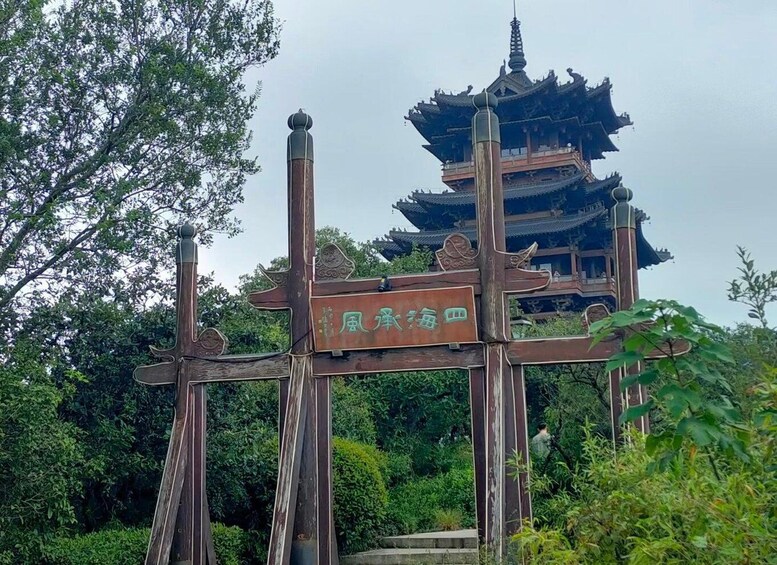
Arrive at Banshan Mountain National Forest Park, the only national-level forest park within Hangzhou's city limits. Hike through bamboo groves to Niangniang Temple, a 900-year-old Song Dynasty shrine. Then climb Wangchen Pavilion, a 42-meter Southern Song-style pagoda, for a 360° view stretching from the Qiantang River to modern skyscrapers. Descend easily by electric buggy or walking trail.
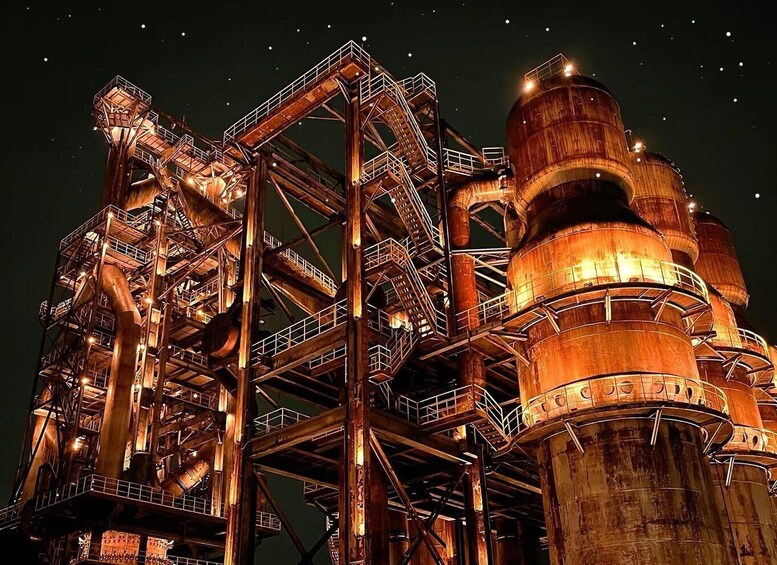
As sunset approaches, step into Hangzhou Steelworks Park — a former steel mill turned landscape architecture award winner. Walk beneath preserved blast furnaces, coke ovens, and vintage locomotives. The rusted giants glow amber at dusk.
Dinner follows at a local steamer house: bamboo steamers piled with pork belly, freshwater fish, and seasonal vegetables — Hangzhou home cooking at its honest best.
Optionally, paddle onto the Grand Canal. Single or double kayaks let you experience the ancient waterway from water level, with city lights reflecting in the dark.