Begin at Fengshan Water Gate, the last surviving remains of Hangzhou’s ancient city gate system. From here, move northward through the historical center of the city, following the same axis once used by Southern Song emperors to inspect the capital.
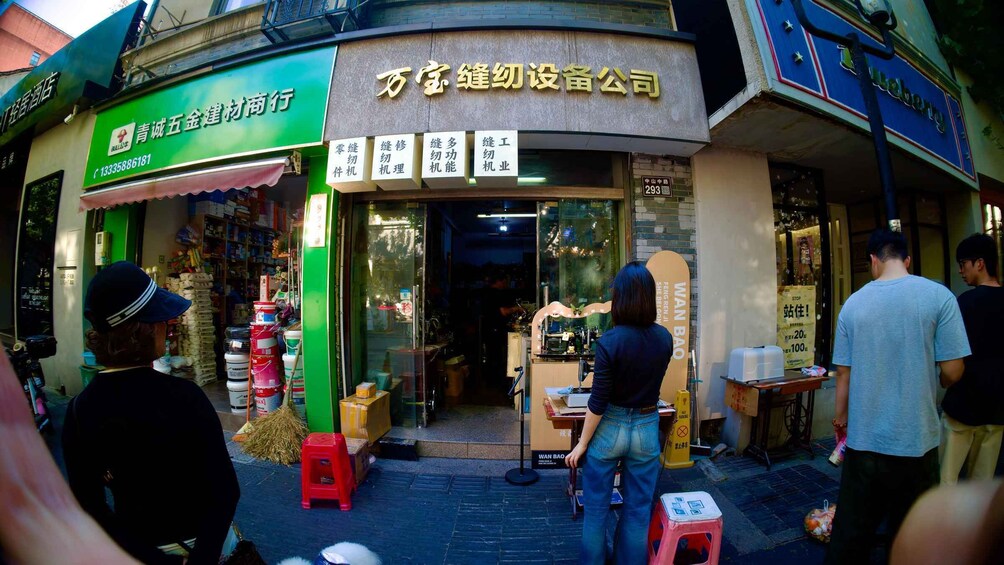
As you walk, different historical eras gradually emerge layer by layer. The southern section reflects the atmosphere of older Hangzhou: stone alleyways, temples hidden in the hills, herbal medicine shops, traditional markets, and remnants of the Southern Song imperial city.
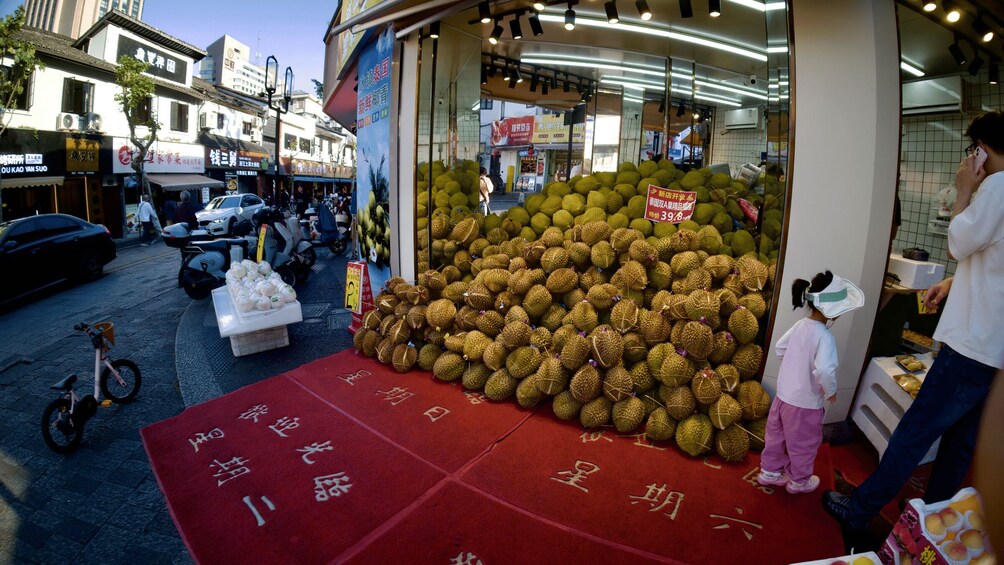
Further north, the city transforms into a dense commercial district shaped by Ming and Qing dynasty trade culture. Here, encounter narrow commercial lanes, guild-style architecture, old financial institutions, and one of China’s oldest mosques — evidence of Hangzhou’s role as a cosmopolitan trading center connected to merchants from across Asia and the Middle East.
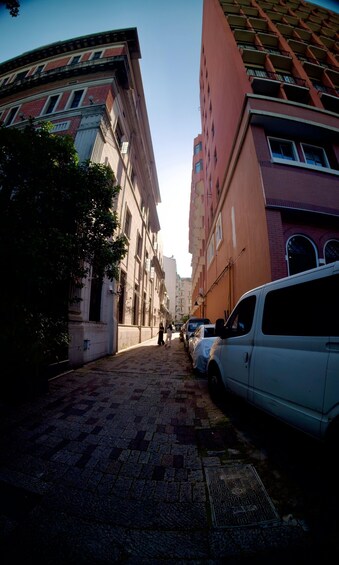
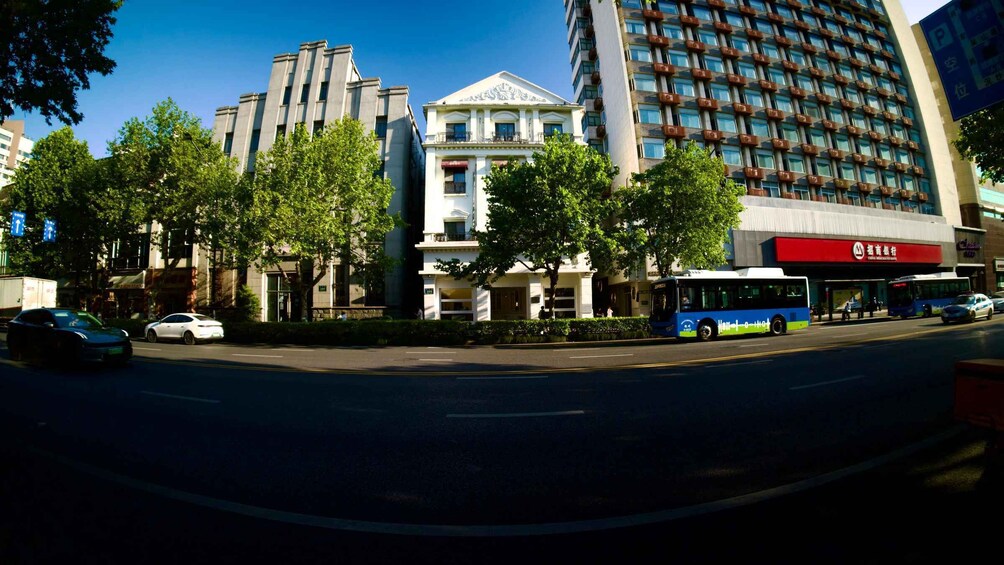
In the Republican era, this same axis evolved into Hangzhou’s financial center. European-style banks and stone façades were inserted into traditional Chinese urban streets, creating an architectural collision between East and West that still survives today.
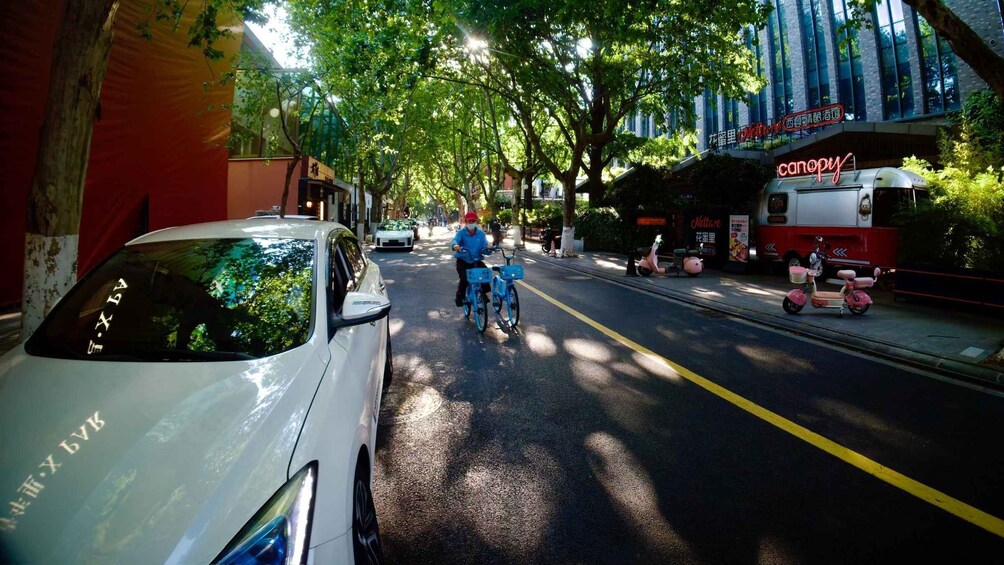
As the route continues northward, the atmosphere slowly changes again. The historical density softens into contemporary neighborhood life: bookstores, independent cafés, vintage stores, bakeries, design boutiques, seasonal tree-lined streets, creative retail spaces, and relaxed residential blocks popular among Hangzhou’s younger generations.
Finally, the route opens into Hangzhou’s modern downtown core: luxury malls, skyscrapers, commercial plazas, fountain squares, and the Grand Canal — where centuries of urban development converge into the city’s present-day identity.